Good ribbon keeps for ten years. Badly stored ribbon dates in a season: satin yellows by a window, jute takes on damp, paper marks at the back of a drawer. The difference is not in the price, it is in the storage.
Store by material
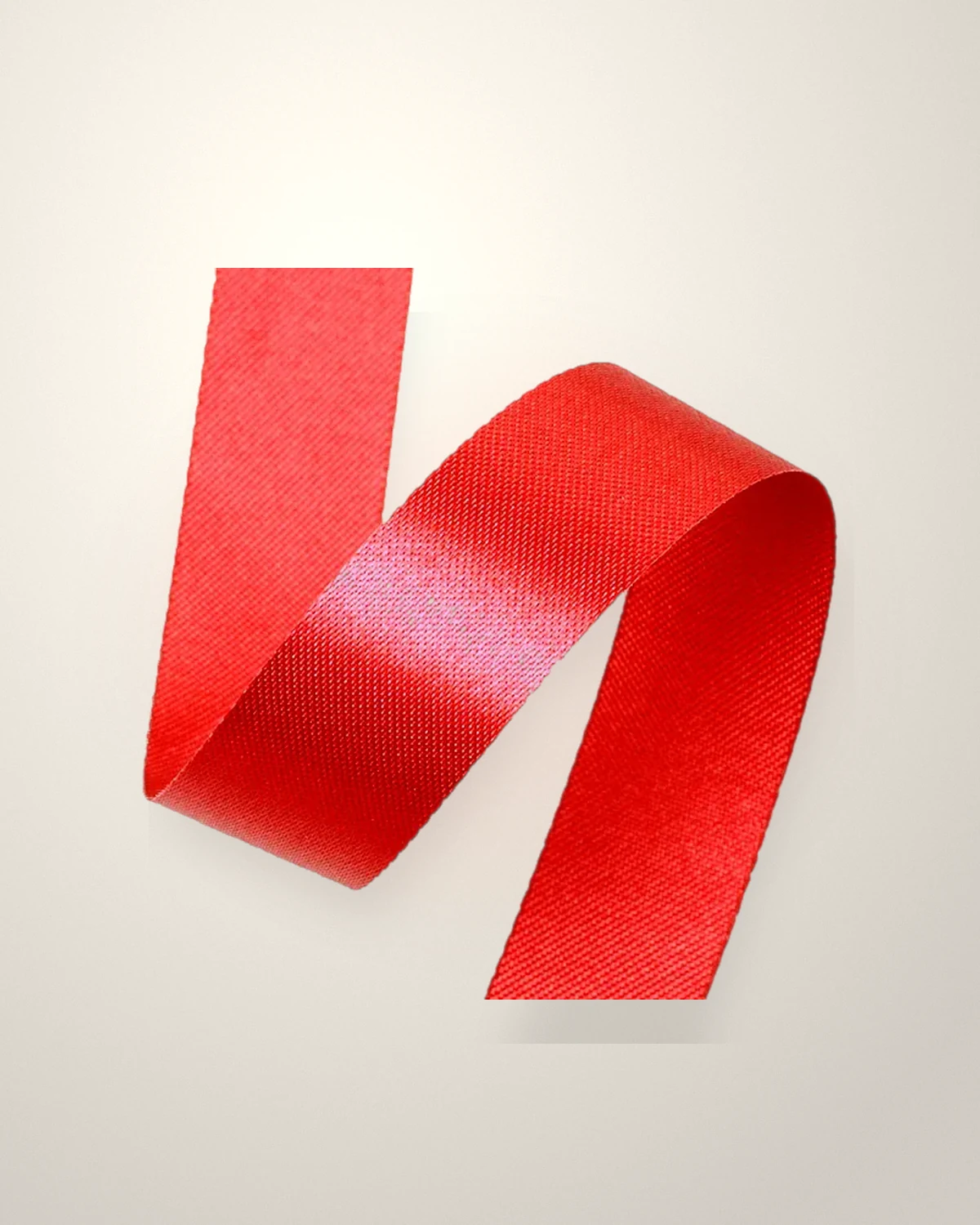
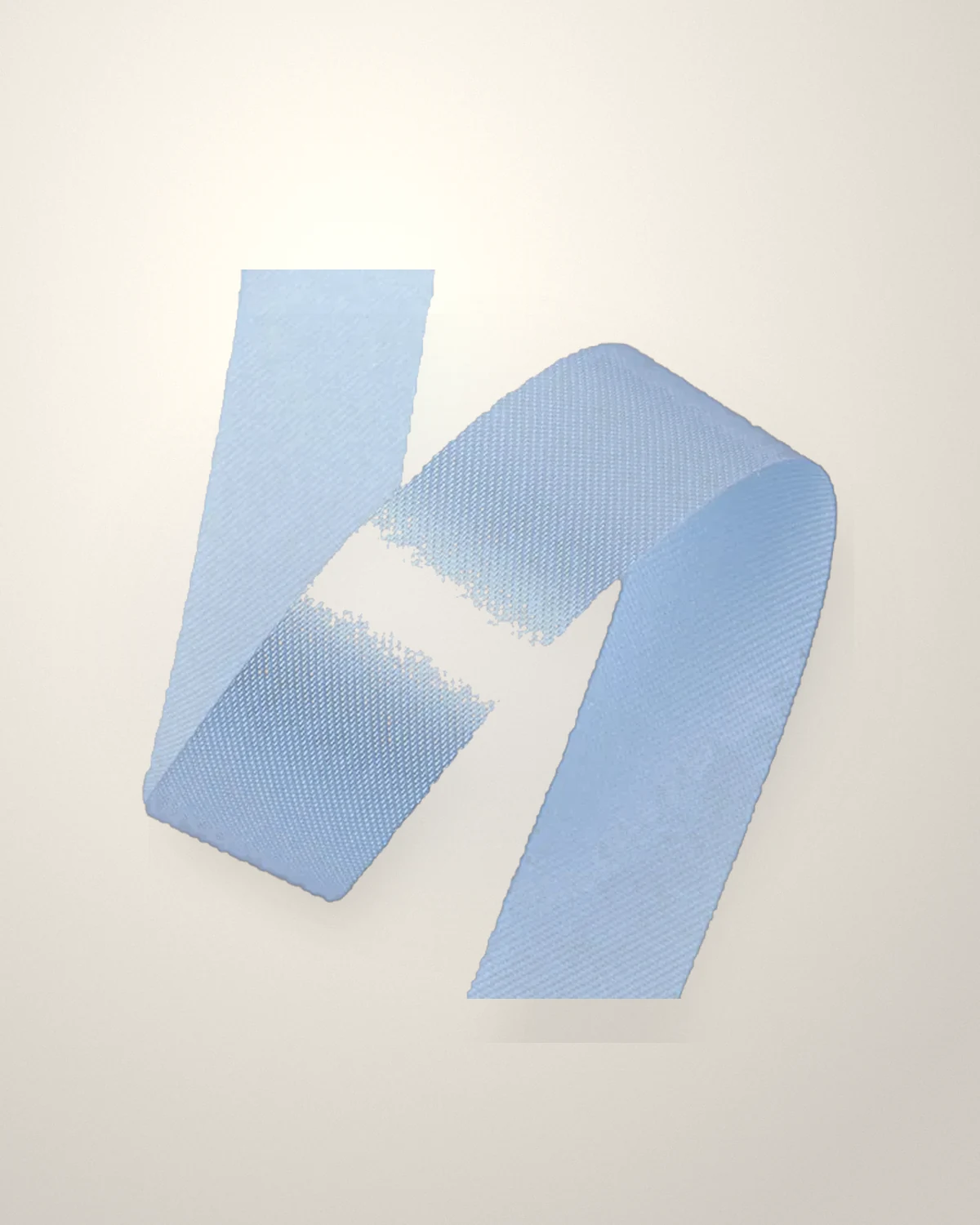
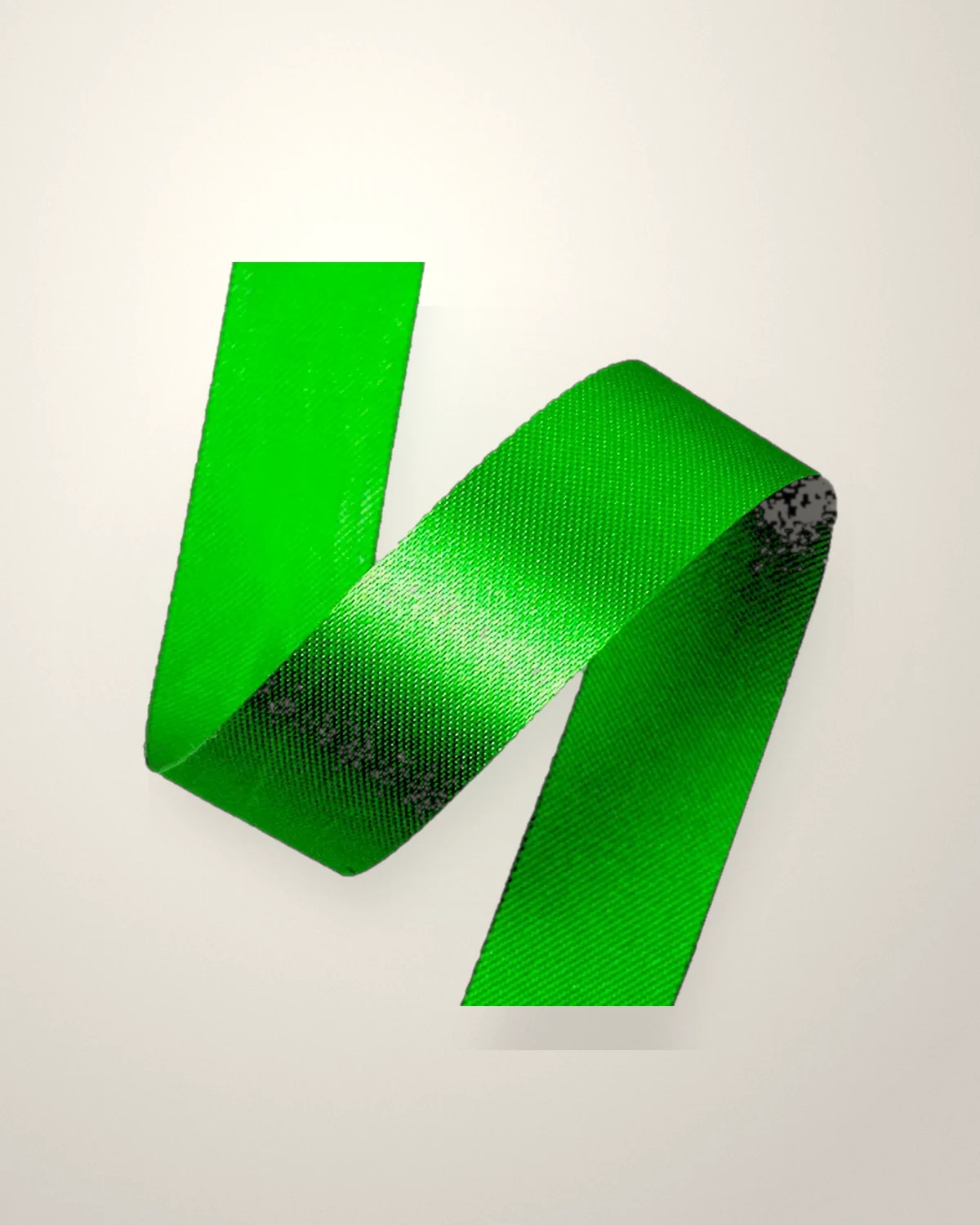
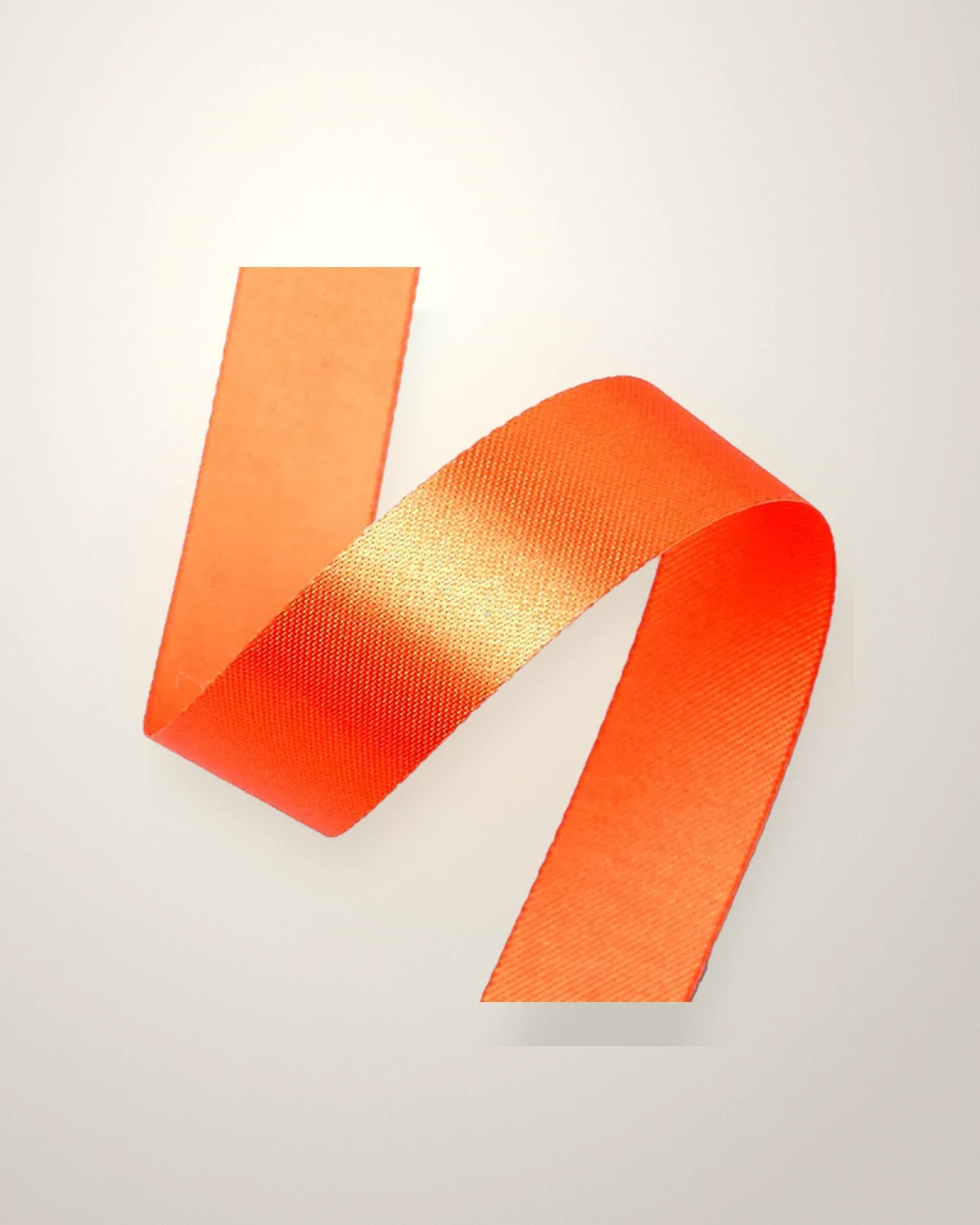
Satin and organza go back on their original spool, upright, in a closed box. Daylight fades red and bordeaux faster than black. A cardboard box is enough, as long as it does not sit against a radiator.
Linen, jute, sisal and raffia fear damp above all. A sachet of silica gel in the box, no sealed plastic bag: the fibre has to breathe. Raffia keeps a smell of straw, which is normal; it disappears in the open air within hours.
Paper (ref. BR6852.07) is stored flat, under a book, never folded in two. A sharp fold does not come out. Curl, on the other hand, must stay loose: do not crush it at the bottom of a box, it loses its curl for good.
Ready-made bows (ref. 80112, 0.59 € each) live in a rigid box with nothing heavy on top. Crushed, the self-adhesive bow warps and no longer sticks straight.
To wash, or not
Polyester satin, linen and organza wash at 30 °C, inside a net or a closed pillowcase, without fabric softener, then dry flat. Never a tumble dryer: heat breaks the drape. Linen washes cold, ironed at medium.
Jute, sisal and raffia are not washed. A soft brush, a barely damp cloth, and that is all. Water stains raffia and relaxes sisal. Paper tolerates no water at all: a dry cloth, or nothing.
Crispy is not washed either. Its texture comes from a heat-set fold that survives neither hot water nor an iron.
Ironing without damage
Satin is pressed with a cool iron on the reverse, no direct steam. Put a thin cloth between the iron and the ribbon. Organza needs even less heat, with a cloth every time. Linen takes a medium iron, slightly damp.
Crispy is never ironed: heat erases its folds and it becomes a plain ribbon. Curl is not ironed either; it comes back when pulled over the closed blade of a pair of scissors.
Repair, label
A fraying end is cut clean at 45 degrees with dressmaking scissors. A stitch of textile glue stops a satin thread. A started spool gets labelled with its reference and width on a piece of card: in six months you will know whether red 186 is the same as the other one.
A shoebox, a few elastic bands, a pencil. That is all it takes to keep a ribbon library. Well-stored ribbon is ribbon you find again, and that is already half the pleasure of tying it.
One more habit, and it saves the most ribbon: keep the short offcuts. A 40 cm piece of satin 15 mm binds a bundle of cards, a stem of dried flowers, a stack of letters. The box of offcuts is often the most used box in the studio.